
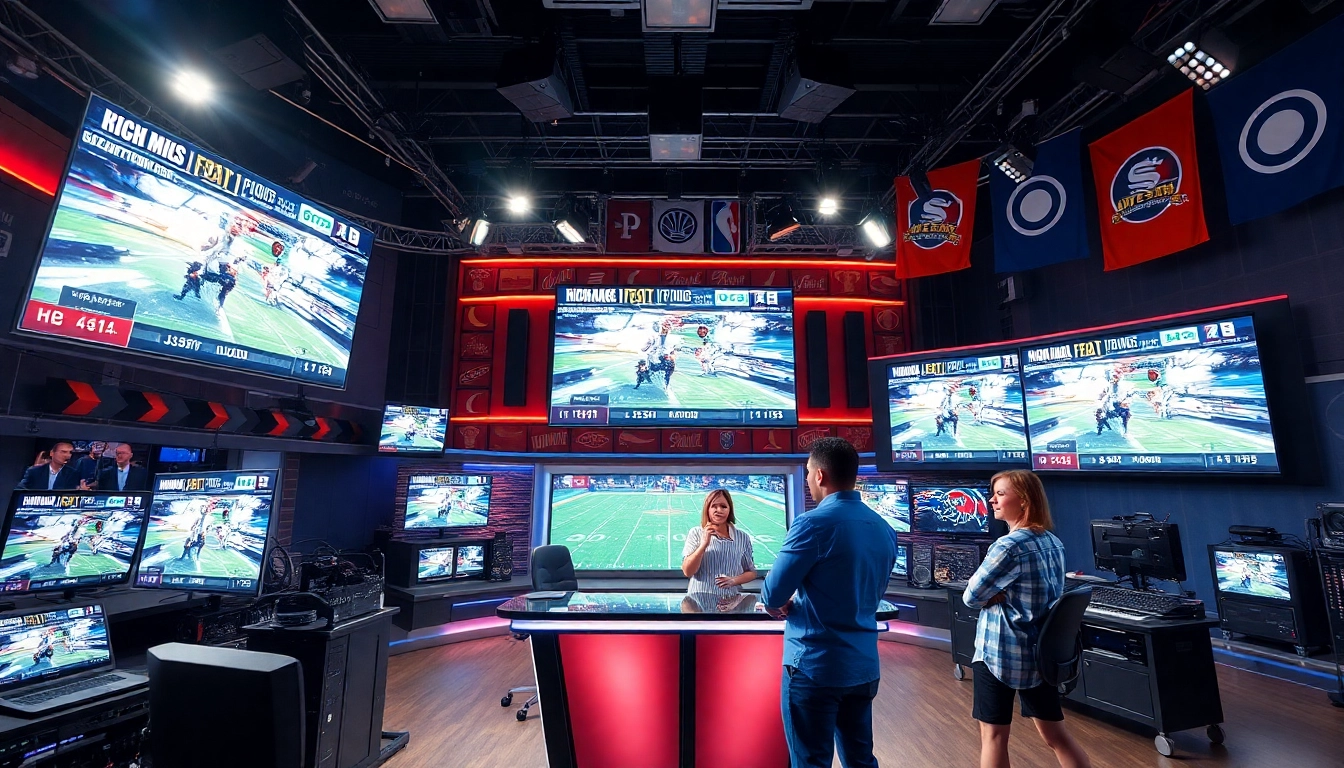
Understanding the Landscape of Sports Broadcasting
Overview of Sports Broadcasting Trends
Sports Broadcasting has transformed dramatically over the past few years. The traditional linear television model is facing challenges from the rise of digital streaming and social media platforms. Audiences are increasingly looking for on-demand content that fits their schedules, leading broadcasters to adapt rapidly. In 2023, there is a growing emphasis on personalization, interactivity, and immersive experiences, supported by advancements in technology.
The demand for engaging content is higher than ever. Fans now expect not just to watch their favorite games but to interact with the content, become part of the action, and access in-depth analytics. For instance, viewers are utilizing platforms that offer real-time statistics and replay features, enhancing their experience. Broadcasters must stay updated with these trends to remain competitive in the evolving market of Sports Broadcasting.
Key Players in the Industry
The sports broadcasting landscape is populated by a variety of entities, from traditional television networks to innovative streaming services. Key players include established names that have dominated the market for decades, alongside up-and-coming platforms that leverage new technology. Traditional outlets, like major sports networks, still hold considerable market share but are often challenged by tech giants and OTT (Over The Top) services.
Furthermore, emerging entities are using flexible subscription models to attract younger audiences. These service providers are not only competing for viewership but are also racing to secure broadcasting rights to lucrative sports leagues. The competition has led to significant increases in the prices of broadcasting rights, reshaping investment strategies across the industry.
The Role of Technology in Sports Broadcasting
Technology plays a transformative role in the realm of sports broadcasting, offering tools that improve both the production and consumption of content. High-definition video, augmented reality, and virtual reality are making broadcasts more immersive. For example, augmented graphics integrated into live broadcasts provide fans with enhanced viewing experiences, giving them insights they might not get from simply watching the game.
Moreover, artificial intelligence and machine learning are evolving the way content is produced and consumed. From automating highlights to segmenting audience data for personalized content delivery, technology is revolutionizing how viewers engage with sports. This technological evolution ensures that Sports Broadcasting entities can create more dynamic and engaging experiences for fans, keeping them glued to their screens.
Best Practices for Effective Sports Broadcasting
Creating Engaging Content
Creating content that resonates with viewers is pivotal to any successful sports broadcasting strategy. Engaging content often combines not only live game coverage but also behind-the-scenes insights, athlete interviews, and expert commentary. By telling stories that appeal to the emotions and interests of their audience, broadcasters can establish a deeper connection with fans.
Utilization of various content formats—such as podcasts, vlogs, and social media snippets—can broaden reach and engage diverse demographics. Incorporating audience feedback into content production also enhances engagement, as fans feel their opinions are valued and that they have a stake in the broadcast experience. Regularly scheduled programming alongside spontaneous highlights or analyses keeps the content fresh and relevant.
Utilizing Social Media for Fan Interaction
Social media is integral to modern sports broadcasting, acting as both a platform for content distribution and a space for fan interaction. Engaging with fans through platforms such as Twitter, Instagram, and Facebook allows broadcasters to create vibrant communities around their content. Real-time interaction during live events, through polls, retweets, or Q&As, fosters a sense of connection and community among fans.
Moreover, social media can serve as a feedback loop, providing broadcasters with immediate insights into viewer preferences and behaviors. This data can guide content creation, ensuring that what is broadcasted aligns with audience interests. Engaging content shared on social media often leads to increased viewership on traditional platforms, enhancing overall reach and engagement.
Maximizing Reach Through Analytics
Analytics are increasingly vital to effective sports broadcasting strategies. By analyzing viewer data, broadcasters can optimize their content delivery, marketing approaches, and viewer engagement tactics. Metrics such as viewership numbers, demographics, and engagement rates inform strategic decisions, allowing broadcasters to tailor content to specific audiences.
Using data analytics, sports broadcasters can identify trends and viewer behaviors that help them to effectively market their broadcasts and enhance interactivity. Continuous testing and adapting strategies based on performance metrics lead to improved viewer satisfaction and loyalty, making analytics a crucial tool for sustained growth in the sports broadcasting industry.
Challenges Faced in Sports Broadcasting
Technical Difficulties and Solutions
As technology becomes increasingly integral to sports broadcasting, technical difficulties can arise that impact viewer experience. Issues such as server outages, streaming errors, and latency can frustrate audiences and lead to loss of viewership. Handling these technical challenges requires robust infrastructure and quick-response teams prepared to troubleshoot and resolve issues immediately.
Investing in reliable streaming technology and ensuring regular maintenance can prevent most common technical issues from affecting broadcasts. Broadcasters should also develop contingency plans, such as pre-recorded segments or backup servers, to ensure that live events proceed smoothly despite unforeseen challenges.
Maintaining Viewer Engagement
Maintaining viewer engagement in a saturated market is a perpetual challenge for sports broadcasters. With numerous competing content options available, it is essential to offer distinctive and engaging experiences that retain viewer interest. Interactive elements, such as contests or live chats, can keep viewers involved and invested in the content.
Moreover, regular analysis of viewer preferences is crucial. Tailoring content based on real-time feedback allows broadcasters to adjust their programming to meet changing audience demands and keep them coming back for more.
Adapting to New Technologies
The rapid pace of technological advancement can create hurdles for sports broadcasters aiming to stay current. Keeping pace with emerging technologies like virtual reality, AI, and streaming innovations can be difficult. Educating staff, investing in training, and fostering a culture of adaptability are essential steps toward overcoming these challenges.
Collaborations and partnerships with tech companies can also enhance knowledge acquisition and streamline the incorporation of new technologies into broadcasting practices. By staying ahead of technology trends, sports broadcasters can continue to deliver high-quality, engaging content that resonates with modern audiences.
Future Trends in Sports Broadcasting
Emerging Technologies and Their Impact
The future of sports broadcasting is poised to experience significant transformation driven by emerging technologies. Innovations such as 5G networks are set to enhance live streaming quality, reducing lag and improving viewer experiences. Moreover, augmented reality and virtual reality are being integrated into broadcasts, creating immersive viewing experiences that allow fans to feel as though they are part of the action.
Additionally, technologies that enable personalized content delivery will likely redefine how broadcasters reach audiences. Fans will demand experiences tailored to their interests, which presents an opportunity for broadcasters to adopt flexible streaming methods and sophisticated analytics to exceed viewer expectations.
Changing Consumer Preferences
As consumer preferences continue evolving toward on-demand content and multi-platform access, sports broadcasters must adapt their strategies. The traditional scheduling of games and events may not suffice for audiences who are increasingly seeking content that fits their unique schedules. Broadcasters will need to implement flexible viewing options, including the ability to choose game viewing based on preferences and interests.
The rise of younger audiences who prefer shorter, bite-sized content due to their on-the-go lifestyles means that broadcasters should rethink how they present highlights and analyses. Short clips on social media can be effective tools to attract these demographics, encouraging them to engage more deeply with traditional broadcasts.
Opportunities for Growth
Despite the challenges, the sports broadcasting industry presents numerous opportunities for growth. With the digital landscape expanding and new technologies emerging, broadcasters who embrace innovation can discover new revenue streams through subscriptions, advertisements, and partnerships. Engaging content and interactive features can capture both younger and older audiences, creating an environment ripe for growth.
Furthermore, as global sporting events return post-pandemic, there is a resurgence of interest in live events and broadcasts. Broadcasters who can leverage this trend through effective marketing and technology integration are more likely to succeed in a crowded marketplace.
Frequently Asked Questions About Sports Broadcasting
What is Sports Broadcasting?
Sports broadcasting involves the transmission of live or recorded sports events to an audience through various media channels, including television, radio, and digital platforms, engaging viewers in real-time or on-demand.
How can I improve my sports broadcasting skills?
To enhance your sports broadcasting skills, practice public speaking, understand storytelling techniques, stay updated on sports trends, and gain experience by covering live events or creating content on digital platforms.
What technologies are changing sports broadcasting?
Emerging technologies such as augmented and virtual reality, artificial intelligence, and enhanced streaming services are revolutionizing sports broadcasting, providing immersive and interactive experiences for viewers.
How do analytics play a role in sports broadcasting?
Analytics help broadcasters understand viewer preferences and behaviors, enabling them to tailor content effectively. Metrics guide strategic decisions to enhance engagement and optimize programming, driving growth.
What are common challenges in sports broadcasting?
Common challenges include maintaining viewer engagement, addressing technical difficulties, and adapting to rapid technological changes. Broadcasters must continuously respond to these challenges to retain viewer interest.